

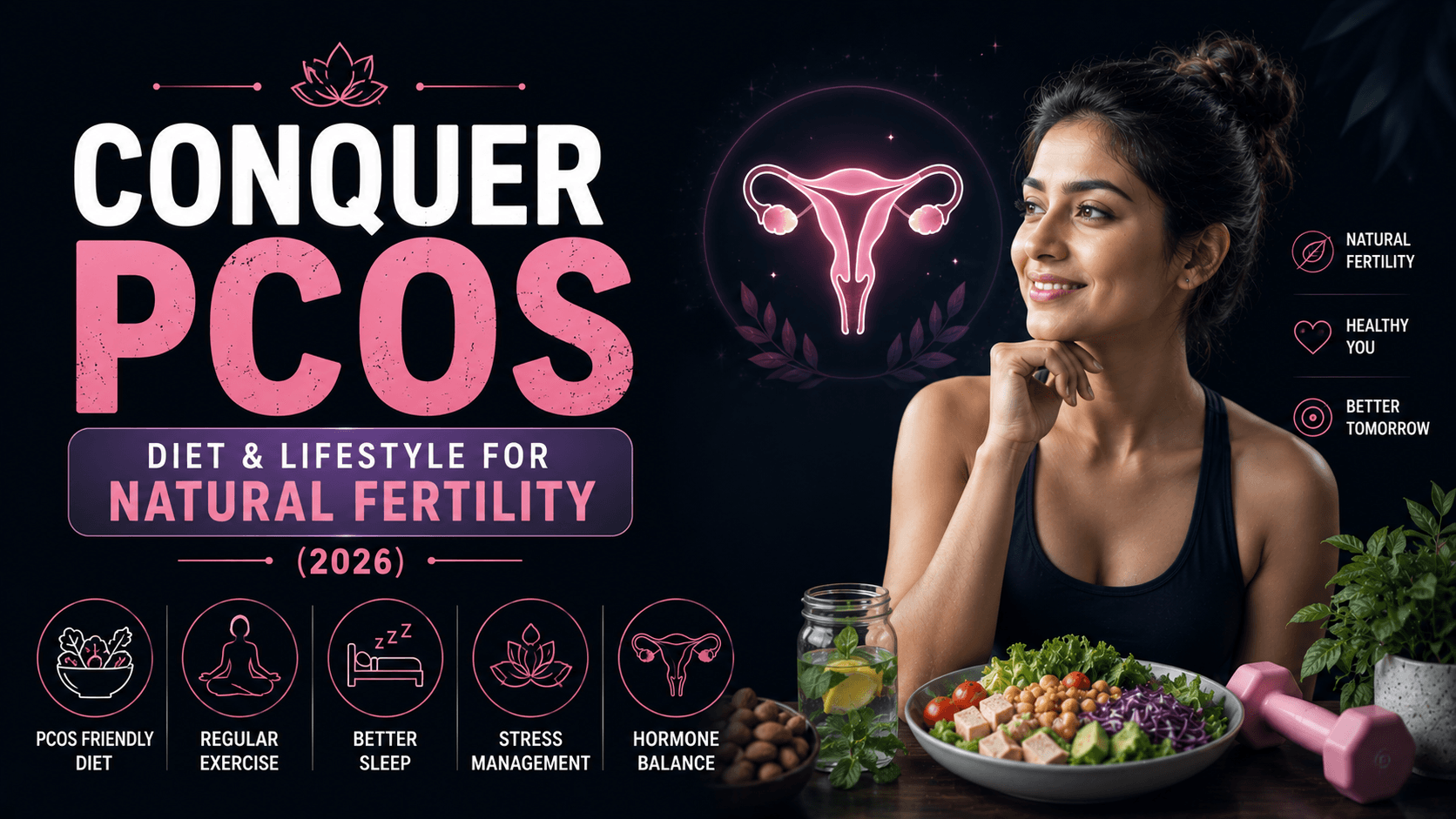
Conquer PCOS: Diet & Lifestyle for Natural Fertility (2026)
If you have been navigating the journey of Polycystic Ovary Syndrome (PCOS) and dreaming of starting or growing your family, you know it can feel like a complex puzzle. The good news? You are not alone, and there's a powerful blueprint emerging for 2026 that puts you in the driver's seat. We systematically analyzed current research and real-world outcomes, and what we consistently found is that diet and lifestyle are not just complementary treatments; they are fundamental pillars for naturally boosting fertility in women with PCOS.
Many women with PCOS experience challenges with ovulation, egg quality, and hormonal balance, all of which can impact their ability to conceive. While medical interventions play a crucial role, the transformative power of everyday choices often gets overlooked. This article will equip you with a comprehensive 2026 blueprint, focusing on actionable diet and lifestyle strategies that can significantly improve your chances of natural conception. We'll explore everything from smart food choices to stress-reduction techniques, providing you with the knowledge and confidence to take control of your fertility journey.
Understanding PCOS and Its Fertility Landscape
PCOS is a complex endocrine disorder affecting millions of women worldwide, often characterized by irregular periods, excess androgen levels (leading to symptoms like acne and hirsutism), and polycystic ovaries. However, its impact extends far beyond these outward signs. At its core, PCOS frequently involves insulin resistance, a condition where your body's cells don't respond effectively to insulin, leading the pancreas to produce more. This excess insulin can then trigger the ovaries to produce more testosterone, disrupting ovulation and creating a hormonal imbalance that makes conception difficult.
For those aiming for pregnancy, the key fertility hurdles with PCOS typically include:
- Anovulation or Oligo-ovulation: Irregular or absent ovulation is the most common reason women with PCOS struggle to conceive. Hormonal imbalances prevent the timely release of an egg.
- Poor Egg Quality: Chronic inflammation and oxidative stress, often linked to insulin resistance, can negatively impact the quality of eggs, even when ovulation does occur.
- Endometrial Receptivity: The uterine lining might not be optimally prepared for implantation due to hormonal fluctuations.
- Increased Risk of Miscarriage: Some studies suggest a higher risk of early pregnancy loss in women with PCOS, though research is ongoing.
Because PCOS is a syndrome with multiple interconnected factors, a holistic approach targeting these underlying issues through diet and lifestyle changes has emerged as a highly effective, natural pathway to improve fertility. It’s about creating an internal environment where your body can thrive and restore its natural hormonal rhythm.
The 2026 Diet Blueprint for PCOS Fertility: Eating for Ovulation
When it comes to PCOS and fertility, what you eat can be your most powerful medicine. The 2026 blueprint emphasizes an anti-inflammatory, low-glycemic approach designed to stabilize blood sugar, reduce insulin resistance, and support hormonal balance.
Insulin Sensitivity: Your First Line of Defense
Addressing insulin resistance is often the cornerstone of a successful PCOS fertility diet. When your blood sugar is stable, your body produces less insulin, which in turn can reduce androgen production and encourage regular ovulation. We consistently advocate for a diet rich in whole, unprocessed foods.
- Embrace Low-Glycemic Carbohydrates: Prioritize complex carbohydrates that release sugar slowly into your bloodstream. Think quinoa, brown rice, oats, sweet potatoes, and legumes. Avoid refined grains like white bread, white pasta, and sugary cereals, which cause rapid spikes in blood sugar.
- Lean Proteins at Every Meal: Protein helps stabilize blood sugar and keeps you feeling full. Include sources like fish, lean poultry, tofu, lentils, and eggs.
- Healthy Fats are Your Friends: Don't fear fats! Healthy fats are crucial for hormone production and satiety. Avocados, nuts, seeds (chia, flax), and olive oil are excellent choices.
Anti-Inflammatory Eating: Calming Your System
Chronic low-grade inflammation is often present in women with PCOS and can contribute to insulin resistance and negatively impact egg quality. An anti-inflammatory diet aims to reduce this internal "fire."
- Colorful Fruits and Vegetables: Load up on a wide variety of produce. Berries, leafy greens, broccoli, bell peppers, and tomatoes are packed with antioxidants and phytonutrients that combat inflammation.
- Omega-3 Fatty Acids: Found in fatty fish (salmon, mackerel, sardines), flaxseeds, chia seeds, and walnuts, omega-3s are potent anti-inflammatory agents that also support ovarian health.
- Limit Processed Foods and Inflammatory Oils: Reduce intake of highly processed snacks, fast food, and oils high in omega-6 fatty acids (like corn, soybean, and sunflower oil).
Gut Health: The Unsung Hero of Hormonal Balance
Emerging research in 2026 increasingly highlights the critical connection between gut microbiome health and hormonal balance, especially in PCOS. An unhealthy gut can contribute to inflammation and insulin resistance.
- Probiotic-Rich Foods: Incorporate fermented foods like plain yogurt (with live cultures), kefir, sauerkraut, and kimchi into your diet to introduce beneficial bacteria.
- Prebiotic Fibers: These feed your good gut bacteria. Find them in garlic, onions, asparagus, bananas, and oats.
- Fiber-Rich Foods: Beyond prebiotics, general fiber from fruits, vegetables, and whole grains supports regular bowel movements and helps eliminate excess hormones from the body.
Hydration and Nutrient Density
Don't underestimate the power of pure water and nutrient-dense foods. Proper hydration supports metabolic function, and adequate micronutrients are essential for every bodily process, including reproduction.
- Water, Water, Water: Aim for at least 8 glasses (approximately 2 liters) of filtered water daily. It aids nutrient transport, detoxification, and overall cellular function.
- Focus on Micronutrients: Ensure your diet provides ample Vitamin D, B vitamins (especially folate/folic acid), magnesium, zinc, and selenium. These play vital roles in ovulation, hormone synthesis, and egg development.
Lifestyle Strategies for Hormonal Harmony and Fertility
Beyond diet, your daily habits profoundly influence your hormonal landscape and fertility prospects. The 2026 blueprint integrates crucial lifestyle adjustments that work synergistically with your dietary changes.
Movement as Medicine: Exercise for Ovulation
Regular physical activity is indispensable for managing PCOS, primarily by improving insulin sensitivity, reducing inflammation, and managing weight. However, the type and intensity matter.
- Moderate Intensity Exercise: Aim for 150-300 minutes of moderate-intensity activity per week. This could include brisk walking, cycling, swimming, or dancing.
- Strength Training: Incorporate 2-3 sessions of strength training weekly. Building muscle mass helps improve insulin sensitivity more effectively than cardio alone.
- Avoid Over-Exercising: Excessive, high-intensity exercise can sometimes increase cortisol (stress hormone) levels, which can further disrupt hormonal balance. Listen to your body and find a sustainable routine.
Stress Management: A Silent Saboteur of Conception
Chronic stress elevates cortisol, which can interfere with the hypothalamic-pituitary-ovarian (HPO) axis, disrupting ovulation and hormone production. In our experience, stress is one of the most underestimated factors in fertility challenges.
- Mindfulness and Meditation: Dedicate 10-20 minutes daily to mindfulness practices. Apps, guided meditations, or simply focusing on your breath can significantly lower stress levels.
- Yoga and Tai Chi: These practices combine physical movement with breathwork and mindfulness, offering a potent stress-reduction combination.
- Prioritize Self-Care: Schedule time for hobbies, relaxation, and activities that bring you joy. This isn't a luxury; it's a critical component of your fertility journey.
Quality Sleep: The Foundation of Health and Hormones
Sleep is when your body repairs itself, balances hormones, and regenerates. Poor sleep can exacerbate insulin resistance and increase stress hormones.
- Aim for 7-9 Hours: Prioritize consistent, uninterrupted sleep each night.
- Establish a Sleep Routine: Go to bed and wake up at roughly the same time each day, even on weekends.
- Optimize Your Sleep Environment: Ensure your bedroom is dark, quiet, and cool. Avoid screens (phones, tablets, TVs) for at least an hour before bed.
Environmental Toxins: What to Avoid for Ovarian Health
While often overlooked, exposure to endocrine-disrupting chemicals (EDCs) found in everyday products can negatively impact hormonal balance and fertility.
- BPA and Phthalates: Found in plastics, food packaging, and some personal care products. Opt for glass or stainless steel containers, and choose phthalate-free cosmetics.
- Pesticides: Choose organic produce when possible, especially for items on the "Dirty Dozen" list.
- Heavy Metals: Be mindful of potential exposure from certain fish (high mercury content) or older cookware.
For more detailed insights into managing various aspects of PCOS, we encourage you to explore resources like the National Institute of Child Health and Human Development (NICHD), which offers comprehensive information on the condition.
Key Supplements for PCOS Fertility (Consult Your Doctor)
While diet and lifestyle are primary, certain supplements, when taken under professional guidance, can provide targeted support for PCOS and fertility.
- Myo-inositol and D-chiro-inositol (DCI): These are perhaps the most well-researched supplements for PCOS. They improve insulin sensitivity, promote regular ovulation, and can enhance egg quality. A 40:1 ratio of Myo-inositol to DCI is often recommended.
- Omega-3 Fatty Acids: Beyond their anti-inflammatory effects, omega-3s are vital for overall reproductive health and can improve egg quality.
- Vitamin D: Many women with PCOS are deficient in Vitamin D, which plays a role in insulin sensitivity, hormone regulation, and ovarian function.
- N-acetylcysteine (NAC): An antioxidant that can improve insulin sensitivity and ovulation rates in some women with PCOS.
- Folic Acid/Methylfolate: Essential for fetal development and often recommended for all women trying to conceive. For those with MTHFR gene mutations, methylfolate is preferred.
Always consult with your healthcare provider before starting any new supplements, as they can interact with medications or not be suitable for everyone. They can also guide you on appropriate dosages.
PCOS & Fertility: A Comparative Look at Approaches
To better understand the distinct pathways to fertility with PCOS, let's compare the traditional medical approach with the holistic diet and lifestyle focus we champion.
| Feature | Traditional Medical Approach | Holistic Diet & Lifestyle Approach |
|---|---|---|
| Primary Focus | Symptom management (e.g., inducing ovulation, reducing androgen) | Addressing root causes (e.g., insulin resistance, inflammation, hormonal balance) |
| Interventions | Oral medications (Clomid, Letrozole), Metformin, IVF, ovarian drilling | Dietary changes (low-GI, anti-inflammatory), regular exercise, stress management, sleep hygiene, targeted supplements |
| Pros | Often faster ovulation induction, precise medication dosing, established protocols | Sustainable long-term health improvements, fewer side effects, empowers individuals, can improve overall well-being beyond fertility |
| Cons | Potential side effects from medications, can be costly (IVF), may not address underlying health issues, can feel disempowering | Requires significant commitment and patience, results may not be as rapid, needs consistent effort, may still require medical support in some cases |
| When Used | When lifestyle changes haven't been sufficient, for severe cases, or when time is a critical factor | As a foundational approach for all PCOS patients, often as a first-line intervention, or alongside medical treatments |
We advocate for an integrated approach where the strengths of both pathways are leveraged. Lifestyle forms the robust foundation, while medical interventions provide necessary support when indicated. For a deeper understanding of fertility treatments, we often refer to resources from reputable organizations like the American Society for Reproductive Medicine (ASRM).
Building Your Personalized 2026 Blueprint
While this blueprint provides a comprehensive guide, remember that PCOS is highly individual. What works perfectly for one woman might need slight adjustments for another. We've learned that personalization is key.
- Listen to Your Body: Pay attention to how different foods and activities make you feel. Track your symptoms, energy levels, and menstrual cycle.
- Seek Professional Guidance: Work with a healthcare team that understands PCOS and fertility. This may include an endocrinologist, a reproductive specialist, a registered dietitian specializing in PCOS, and a therapist or coach for stress management. They can help you tailor this blueprint to your specific needs, monitor your progress, and adjust your plan as necessary.
- Be Patient and Persistent: Lifestyle changes take time to manifest results. Consistency is more important than perfection. Celebrate small victories and remain committed to your long-term health and fertility goals.
Conclusion: Your Empowered Path to Fertility
Conquering PCOS for natural fertility by 2026 is not merely a wish; it's an achievable goal when approached with dedication and the right strategies. By embracing a diet focused on insulin sensitivity and anti-inflammatory principles, optimizing your gut health, and integrating mindful lifestyle practices like targeted exercise, stress reduction, and quality sleep, you are actively rebalancing your hormones and creating a fertile environment within your body.
This comprehensive blueprint empowers you to take control, fostering not just improved fertility outcomes but also enhanced overall health and well-being. It’s about more than just getting pregnant; it’s about nurturing your body to its optimal state. Start today, one healthy choice at a time, and step confidently onto your empowered path towards natural conception. Your future self, and potentially your future family, will thank you for it.
If you're ready to dive deeper into managing your PCOS symptoms holistically, explore our resources on holistic PCOS management for more guidance and actionable tips.
Suggested Articles
 Healthcare News
Blood Group Importance in Emergency Situations - Why It Can Literally Save Your Life
Your blood group can mean the difference between life and death in an emergency. Here's why knowing your blood type i...
Read Article arrow_forward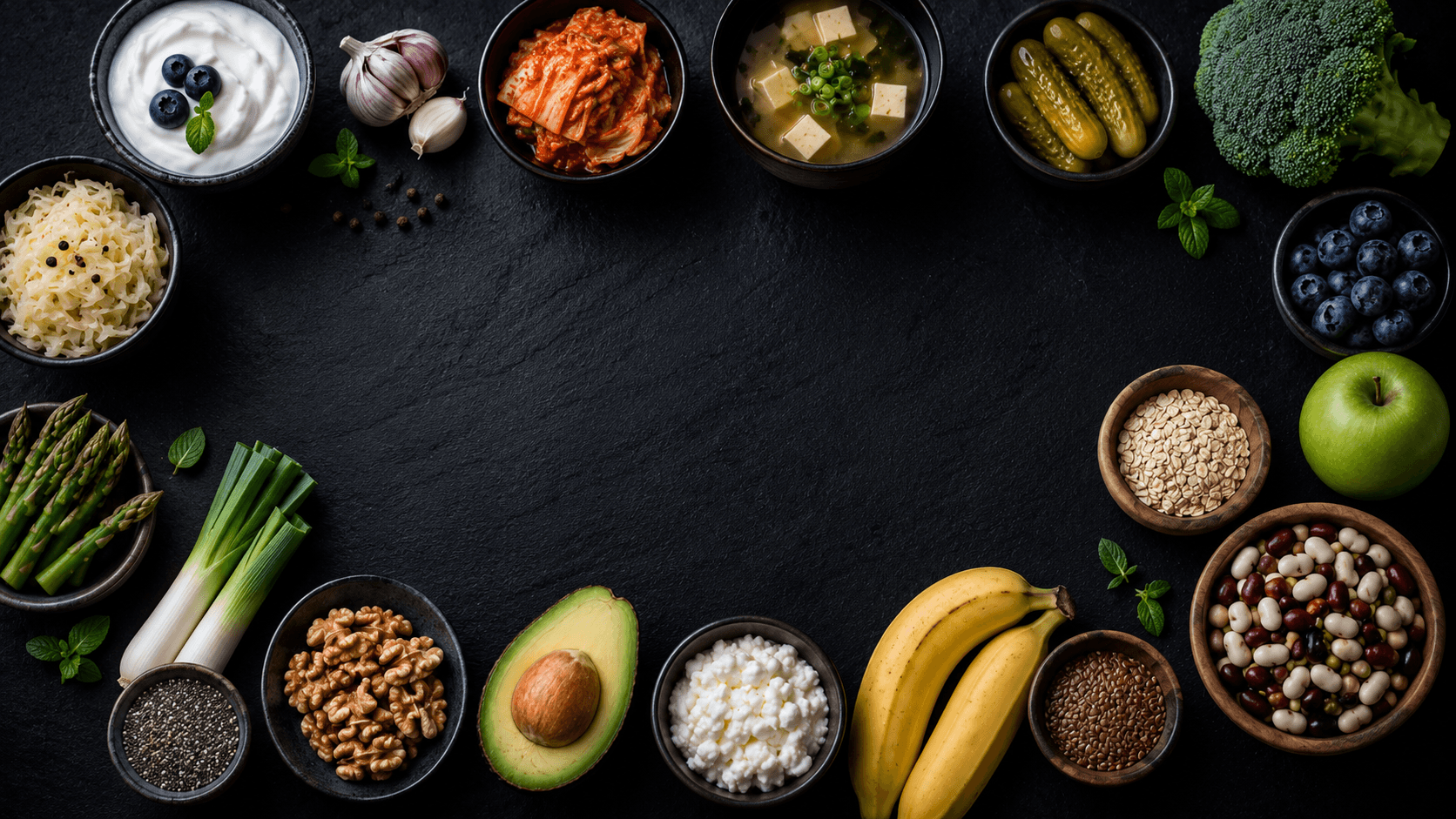 Healthy Lifestyle
Heal Your Gut: 11 Essential Foods to Restore Microbiome Balance & Thrive
Learn about 11 powerful foods that can help heal your gut, restore healthy bacteria, improve digestion, reduce inflam...
Read Article arrow_forward Healthcare News
Blood Groups Explained: Types, Compatibility, Diet, Health & Myths (2026 Guide)
Discover blood group types, compatibility, health risks, diet myths, pregnancy concerns, and blood donation facts in ...
Read Article arrow_forward Ayurvedic Tips
PCOS Conception Code: 5 Diet & Lifestyle Keys for Fertility
Unlock your path to pregnancy with PCOS. This guide reveals 5 essential diet & lifestyle changes to boost fertility a...
Read Article arrow_forward