

Welcome to Sehat Raaz, your trusted companion on the journey to holistic well-being. Today, we're diving deep into a topic that underpins virtually every aspect of your health: your gut. Often called the "second brain," our digestive system is home to trillions of microorganisms collectively known as the gut microbiome. This intricate ecosystem plays a pivotal role not just in digestion, but also in our immune function, mood, and overall vitality. When this delicate balance is disturbed, it can manifest in various health issues, from digestive discomfort to more systemic concerns. We understand that navigating the complexities of gut health can feel overwhelming, which is why we’ve systematically analyzed the science to bring you actionable insights.
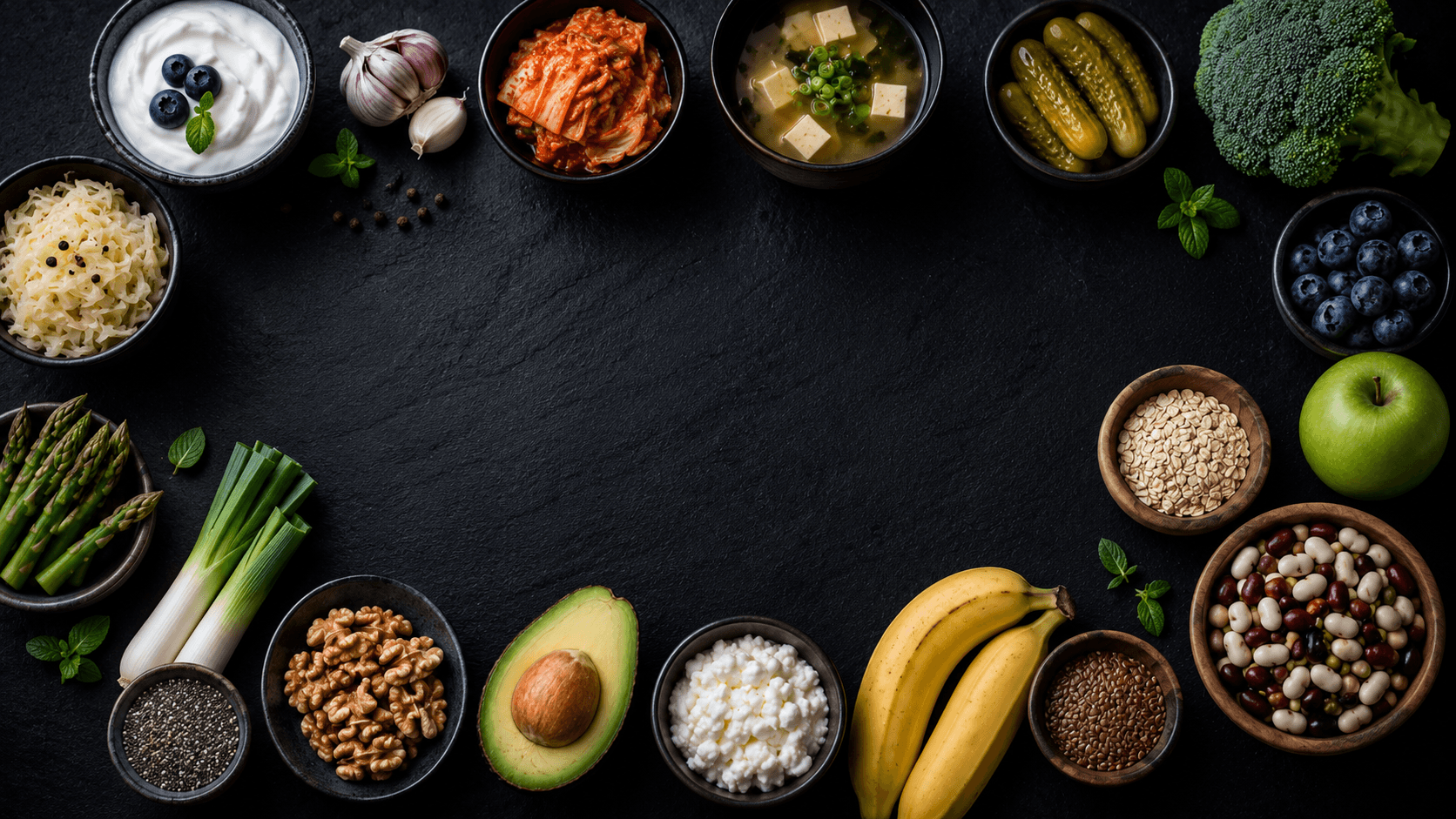
At Sehat Raaz, we believe in simplifying health information to empower you with smarter, healthier life decisions. We know you're looking for practical ways to nurture your gut, and the good news is that the path to a thriving microbiome often starts right in your kitchen. We've meticulously researched and compiled a list of 11 essential foods that can help restore balance to your gut microbiome, allowing you to not just survive, but truly thrive.
Understanding Your Gut Microbiome: The Foundation of Health
Before we explore the power of food, let's briefly understand what your gut microbiome is and why it's so crucial. Imagine an bustling city within your intestines, teeming with bacteria, fungi, and other microbes. This is your gut microbiome. These microscopic residents aren't just passengers; they're active participants in many bodily functions.
What is the Gut Microbiome?
The human gut microbiota refers to the trillions of microorganisms, primarily bacteria, that reside in our gastrointestinal tract. These microbes possess a vast genetic library, performing essential tasks our bodies cannot handle on their own, such as digesting complex fibers and producing key nutrients. They help break down food, turning it into nutrients your body can use, and they also play a significant role in protecting against pathogens and regulating immune function. A diverse set of friendly gut bacteria ensures proper gut health.
The Impact of an Unbalanced Gut
When the balance of healthy and unhealthy microbes in the intestines is disrupted—a state often referred to as dysbiosis—it can contribute to various health issues. This imbalance has been linked to conditions such as irritable bowel syndrome (IBS), inflammatory bowel disease (IBD), obesity, diabetes, and even certain neurological conditions. Symptoms of poor gut health can include bloating, abdominal pain, excessive gas, constipation, or diarrhea. Our daily lifestyle choices, including diet, exercise, and mental health, can significantly influence the composition of our gut bacteria, either promoting health or contributing to dysbiosis.
The Sehat Raaz Approach: Nourishing Your Gut Back to Health
At Sehat Raaz, we advocate for a holistic approach to gut health, emphasizing that the best way to maintain a healthy microbiome is through a diverse range of fresh, whole foods, predominantly from plant sources. While supplements can play a role, the nutrients in whole foods interact synergistically, a benefit that cannot be replicated in a pill. We believe in harnessing the power of nature to restore and maintain your gut's equilibrium. Below, we've outlined a table comparing probiotics and prebiotics, two cornerstone concepts in gut health, to help clarify their distinct yet complementary roles.
| Feature | Probiotics | Prebiotics |
|---|---|---|
| What they are | Live beneficial microorganisms (bacteria and yeasts) | Non-digestible fibers that feed beneficial gut bacteria |
| Primary Role | Introduce good bacteria directly into the gut | Nourish and stimulate the growth of existing good bacteria |
| Sources | Fermented foods (yogurt, kefir, sauerkraut, kimchi), some supplements | Fiber-rich foods (fruits, vegetables, whole grains, legumes) |
| Mechanism | Colonize the gut with healthy flora, crowd out harmful microbes | Resist digestion in the upper GI tract, fermented by microbes in the colon |
| Examples | Lactobacillus, Bifidobacterium strains | Inulin, Fructooligosaccharides (FOS), resistant starch |
11 Essential Foods for a Thriving Gut Microbiome
We've meticulously curated a list of foods known for their profound positive impact on gut health. Incorporating these into your regular diet can be a delicious and effective strategy for nurturing your microbiome.
1. Fermented Foods: Probiotic Powerhouses
Fermented foods are teeming with live, beneficial microorganisms that can populate your gut with healthy bacteria, boost the nutritional value of foods, and promote healthy digestion. They introduce "good" bacteria that can help crowd out harmful microbes and provide beneficial byproducts of fermentation directly to the gut. Regularly consuming these foods can enhance the diversity of your gut microbiome and reduce inflammation.
- Yogurt and Kefir: These dairy products, when unsweetened and containing "live and active cultures," are excellent sources of probiotics. Kefir, a fermented milk drink, is particularly rich in diverse strains of bacteria and yeasts.
- Sauerkraut and Kimchi: These fermented vegetables are not only rich in probiotics but also fiber, vitamins C and B6. Raw, uncooked versions are best to preserve their probiotic content.
2. Fiber-Rich Fruits: Nature's Prebiotics
Fruits like apples, bananas, and berries are packed with dietary fiber, which serves as a prebiotic—food for the beneficial bacteria in your gut. This fiber helps increase microbial diversity, reduce the risk of gastrointestinal issues, and keep you regular.
- Apples: Rich in pectin, a soluble fiber that acts as a prebiotic.
- Bananas: Especially green, underripe bananas, contain resistant starch, another powerful prebiotic that feeds beneficial gut bacteria.
- Berries: Loaded with fiber and polyphenols, which act as prebiotics and have antioxidant properties.
3. Leafy Greens: Micronutrient and Fiber Boosters
Leafy greens like spinach, kale, and dandelion greens are nutritional powerhouses. They provide essential vitamins, minerals, and, crucially for gut health, fiber. Dandelion greens, for instance, are highlighted as one of the best sources of prebiotics. Including a wide range of vegetables ensures you're providing diverse nutrients for your gut flora.
4. Garlic and Onions: Potent Prebiotic Sources
Garlic and onions are standouts in the world of gut health due to their high content of fructooligosaccharides (FOS) and inulin. These compounds are types of prebiotic fibers that resist digestion in the upper gastrointestinal tract and reach the colon intact, where they ferment and stimulate beneficial bacteria like Bifidobacterium and Lactobacillus. Studies indicate they are among the foods with the highest concentration of prebiotics.
5. Legumes: Fuel for Good Bacteria
Legumes, such as lentils, chickpeas, and beans, are excellent sources of dietary fiber and protein. They contain galactooligosaccharides (GOS), a type of prebiotic fiber that nurtures beneficial gut bacteria. A diet rich in fiber from sources like legumes helps feed your gut bacteria, encouraging them to produce beneficial short-chain fatty acids.
6. Whole Grains: Complex Carbohydrates for Gut Health
Whole grains like oats, quinoa, and brown rice are rich in fermentable dietary fiber and have a "prebiotic" effect on gut microbes. When fiber from whole grains reaches the large intestine, it's fermented by the gut microbiota, producing short-chain fatty acids (SCFAs) like butyrate, which are beneficial for colon health and immune system modulation. Studies show that consuming whole grains can lead to modest improvements in gut microbiota composition and immune response.
- Oats: Contain beta-glucans, a soluble fiber that acts as a prebiotic.
- Brown Rice and Quinoa: Provide complex carbohydrates and fiber that support gut diversity.
7. Nuts and Seeds: Healthy Fats and Fiber
Nuts and seeds are small but mighty, offering a unique combination of unsaturated fats, fiber, plant protein, and polyphenols. They are rich in dietary fiber, including prebiotic fiber, which feeds your good gut bacteria, contributing to better digestion, immunity, and even mood. Walnuts, flaxseeds, and chia seeds are particularly beneficial, providing omega-3 fatty acids that support the gut lining and alleviate inflammation.
- Almonds: High in prebiotic fiber and healthy fats.
- Flaxseeds and Chia Seeds: Rich in soluble and insoluble fiber, promoting bowel regularity and soothing digestion.
- Walnuts: A source of plant-based omega-3 fats and polyphenols, known to influence gut microbiota composition.
8. Fatty Fish: Omega-3s for Gut Harmony
Fatty fish such as salmon, mackerel, and sardines are excellent sources of Omega-3 polyunsaturated fatty acids (PUFAs). Research suggests that Omega-3s can positively influence the gut microbiome, helping to improve its balance and potentially reducing inflammation. These essential fats are crucial for overall health, and their role in modulating gut health is an area of growing interest.
9. Turmeric: The Anti-Inflammatory Spice
Turmeric, a vibrant yellow spice, contains a powerful compound called curcumin, which boasts strong antioxidant and anti-inflammatory properties. Chronic inflammation in the gut can disrupt the microbiome, and curcumin's anti-inflammatory effects can help mitigate this. Studies show that turmeric (curcumin) may enhance the diversity of the human microbiome and improve digestion by fortifying the intestinal barrier. Incorporating it into meals with healthy fats can increase curcumin absorption.
10. Ginger: Digestive Aid and Anti-inflammatory
Ginger, a relative of turmeric, is a renowned digestive aid. It contains compounds like gingerol and shogaols that can improve gastric motility, ensuring food moves efficiently through your digestive system. This can reduce bloating, gas, and constipation. Furthermore, ginger possesses anti-inflammatory properties that can help soothe gut inflammation, supporting a balanced gut microbiome. Emerging research even suggests that ginger juice consumption can increase the diversity of gut bacteria.
11. Asparagus: A Potent Prebiotic Vegetable
Asparagus is an excellent source of inulin, a type of soluble fiber that functions as a powerful prebiotic. Inulin nourishes beneficial gut bacteria, promoting their growth and activity, which in turn supports a balanced and resilient microbiome. Regularly including asparagus in your diet contributes to a healthier gut environment by feeding these essential microbes.
Beyond Food: Lifestyle Factors for Optimal Gut Health
While diet is foundational, we at Sehat Raaz recognize that a healthy gut is a product of a holistic lifestyle. Our choices beyond the plate significantly influence the trillions of microbes residing within us.
Stress Management
Chronic stress can significantly impact your gut microbiome, potentially leading to dysbiosis and weakening the intestinal lining, sometimes referred to as "leaky gut". Stress can also influence food choices and metabolic changes, indirectly affecting gut bacteria. We encourage practices such as mindfulness, deep breathing exercises, or yoga to manage stress and protect the vital gut-brain connection.
Adequate Sleep
Quality sleep is crucial for overall health, and its impact on gut health is increasingly recognized. Poor sleep can disrupt your gut bacteria, slow down digestion, and exacerbate gastrointestinal issues. Aiming for 7-9 hours of sleep each night supports immune health, reduces inflammation, and helps maintain a balanced microbiome.
Hydration
Water is essential for healthy digestion. It aids in the absorption and transport of nutrients, helps produce mucus to protect your digestive tract, and prevents constipation. Staying well-hydrated ensures waste moves efficiently through your digestive system, supporting overall gut function.
Regular Movement
Physical activity is not just for your muscles and heart; it also benefits your gut. Regular exercise can stimulate the muscles of the gut, helping digestive contents move through the body and promoting regular bowel movements. It can also positively affect the gut microbiome composition and diversity. Even moderate activity, such as 30 minutes of walking daily, can offer significant gut health benefits.
Common Gut Health Mistakes to Avoid
As you embark on your gut-healing journey, it’s important to be aware of potential pitfalls that could hinder your progress. We frequently see individuals making choices that inadvertently harm their microbiome.
- Over-reliance on processed foods: Foods high in sugar, unhealthy fats, and artificial additives can disrupt your gut flora and fuel harmful bacteria, leading to inflammation. Prioritize whole, unprocessed foods.
- Ignoring food sensitivities: Pay attention to how your body reacts to different foods. What works for one person may not work for another. If certain foods consistently cause discomfort, it might be worth exploring elimination diets under professional guidance.
- Lack of diversity: Eating the same few "healthy" foods repeatedly can limit the diversity of your gut microbiome. A wide variety of plant-based foods is crucial for feeding a broad spectrum of beneficial bacteria.
- Excessive use of antibiotics: While sometimes necessary, antibiotics can decimate both beneficial and harmful gut bacteria. Discuss with your healthcare provider if antibiotics are truly essential, and if so, focus on gut support post-treatment.
- Insufficient fiber intake: Most people do not get enough fiber. Fiber is the primary food source for your beneficial gut bacteria, and its absence can starve them.
How to Incorporate These Foods into Your Daily Diet
Making changes to your diet doesn't have to be daunting. We suggest starting small and gradually integrating these gut-healing foods into your routine:
- Breakfast Boost: Add a spoonful of plain yogurt or kefir to your morning smoothie or oatmeal. Sprinkle some flaxseeds or chia seeds for extra fiber.
- Snack Smarter: Grab a handful of almonds or walnuts, or an apple with a little nut butter.
- Lunch and Dinner Makeovers:
- Incorporate leafy greens into salads, stir-fries, or as a side.
- Sauté your vegetables with garlic and onions as a flavorful base.
- Swap refined grains for whole grains like quinoa or brown rice.
- Add lentils or chickpeas to soups, stews, and salads.
- Enjoy fermented vegetables like sauerkraut or kimchi as a side dish or topping.
- Include fatty fish like salmon a couple of times a week.
- Spice it Up: Use turmeric and ginger generously in your cooking—think curries, soups, teas, and stir-fries.
Your Journey to a Healthier Gut Starts Today
The science is clear: a balanced and diverse gut microbiome is fundamental to your overall health. By intentionally nourishing your body with the 11 essential foods we’ve discussed, and by adopting supportive lifestyle practices, you are taking powerful steps toward restoring your gut's balance and enhancing your well-being. We believe that with consistent effort and informed choices, you can heal your gut and unlock a new level of vitality.
For more insights into optimizing your health and making informed decisions, we invite you to explore our extensive collection of health and wellness articles. You can also discover practical nutrition tips for a healthier lifestyle and learn about effective fitness routines for optimal health on Sehat Raaz. Remember, every small, conscious choice you make today contributes to a healthier, happier you tomorrow.
References:
- For an in-depth understanding of how the gut microbiome influences human health, refer to this comprehensive review from the National Institutes of Health (NIH) National Library of Medicine, which details the complex interactions between gut microbiota and various physiological processes.
- To learn more about the significant impact of prebiotics on gut health and beneficial bacteria, consult this informative report from the American Society for Nutrition, highlighting key prebiotic-rich foods.
Suggested Articles
 Ayurvedic Tips
Strength Training for Seniors: Essential Equipment Guide
Discover the crucial equipment seniors need to start strength training, promoting comfortable aging and improved fitn...
Read Article arrow_forward Women’s Health
Blood Group Compatibility Chart for Pregnancy - What Every Couple Needs to Know
Worried about blood group compatibility in pregnancy? Learn about Rh factor risks, ABO matching, and what every coupl...
Read Article arrow_forward Healthcare News
Which Blood Group Lives Longer? Here's What Research Actually Says
Which blood group lives longer? Science links type O to lower heart disease risk and longer life, while AB faces more...
Read Article arrow_forward Fitness
Opinion | Fitness Influencers Are Not Making Men More Fit
Fitness influencers promise better bodies and faster results, but are they actually making men fitter? Explore the im...
Read Article arrow_forward